
Guide
Best time to visit Nha Trang: month-by-month weather, sea and rain
The best time to visit Nha Trang is February to April, with May to August close behind for warm water and long sunny days. Here is what each month really brings, from rainfall and sea temperature to typhoon risk and riding conditions.
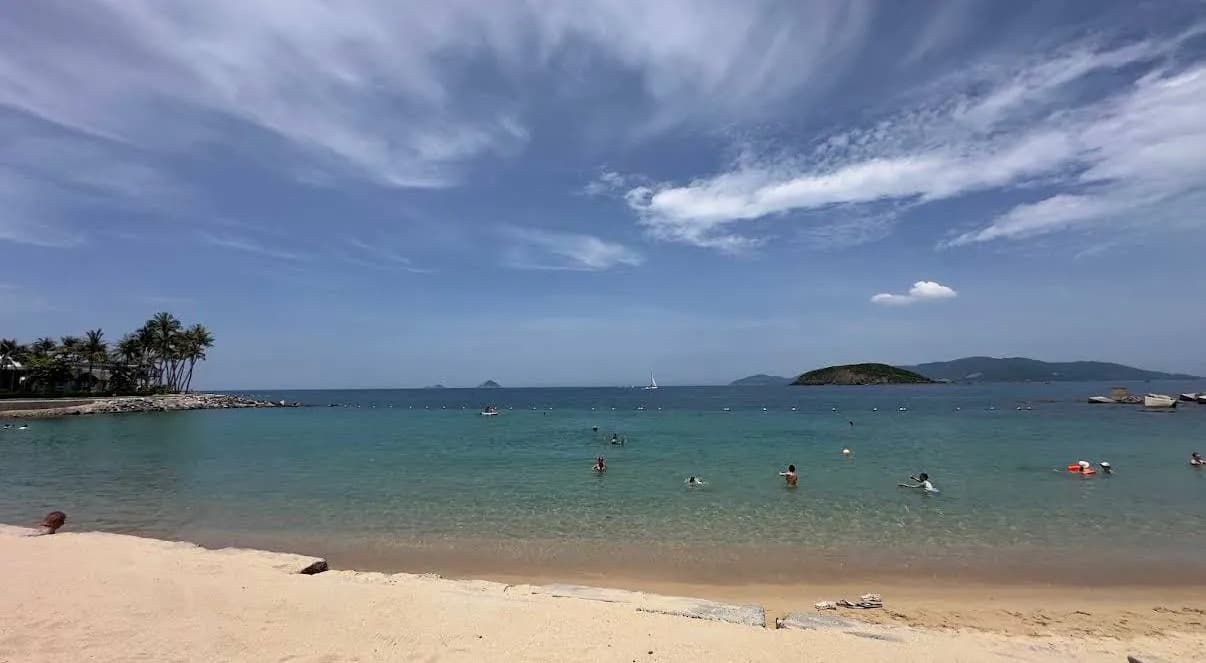
The best time to visit Nha Trang is from February to April. These are the driest and sunniest months of the year, the sea is usually calm, and the midday heat has not yet reached its peak. May to August is also dry and brings the warmest water, but you will be planning your days around the sun. The months to treat with care are October and November, the heart of the rainy season.
This calendar catches out people who know the rest of southern Vietnam. Ho Chi Minh City gets its rain from roughly May to November, while Nha Trang stays mostly dry through the summer and receives about three quarters of its annual rainfall between September and December, when the northeast monsoon reaches the coast. If you are pairing Nha Trang with Saigon, January to April is the window when both are dry.
The short answer by travel plan
- Beach days and snorkeling: March to May. Dry weather, calm water and the best underwater visibility of the year.
- Warmest sea: May to September, with water at around 28 to 29 °C.
- Motorbike day trips: February to April, when rain is rare and the heat is still manageable.
- Waterfalls and green hills: December and January, once the heaviest rain is over and the streams are full.
- A short beach holiday you cannot afford to lose to weather: avoid October and November.
Nha Trang weather by month
Each line gives the average daytime high, the average night low, monthly rainfall, the number of days with rain and the average sea temperature.
- January: 27 °C by day, 21 °C at night, 43 mm of rain over about 9 days, sea 24.5 to 25 °C.
- February: 28 °C and 22 °C, 16 mm over about 4 days, the driest month of the year, sea around 25 °C.
- March: 29 °C and 23 °C, 30 mm over 4 days, more than 8 hours of sunshine a day, sea 25 to 26 °C.
- April: 31 °C and 25 °C, 42 mm over 5 days, sea around 27 °C.
- May: 32 °C and 25.5 °C, 52 mm over 9 days with short thunderstorms, sea around 29 °C.
- June: 33 °C and 26 °C, 50 mm over 8 days, the warmest sea of the year at around 29 °C.
- July: 32.5 °C and 25.5 °C, 42 mm over 8 days, sea around 28 °C.
- August: 32.5 °C and 25.5 °C, 82 mm over 10 days, sea around 28.5 °C.
- September: 32 °C and 25 °C, 150 to 165 mm over 14 days, sea 28.5 to 29 °C.
- October: 30 °C and 24 °C, 290 to 310 mm over 18 days, sea around 28 °C.
- November: 28.5 °C and 23.5 °C, 280 to 380 mm over 18 days, the wettest month, sea around 27 °C.
- December: 27 °C and 22 °C, 165 to 190 mm over 14 days, sea around 25.5 °C.
Air temperature, rainfall, rainy days and sunshine hours are long-term averages from Vietnam's national building climate standard, cross-checked against the data published by weather2travel from the University of East Anglia, the UK Met Office and the Netherlands weather institute. Sea temperatures come from two independent satellite-based services. Where the sources disagree, a range is shown. All figures were checked on 22 October 2026. They are averages, so look at the forecast for your actual dates before booking anything outdoors.
February to April: the sweet spot
February is the driest month in Nha Trang, with only around 16 mm of rain on average. March adds more sunshine, over 8 hours a day, and highs that rarely feel oppressive. By April the heat is building, but the weather is still dry and stable. Dive guides rate April and May as the clearest water of the year, with visibility of 15 to 20 metres, so this is the period to book island boat trips and snorkeling.
One date to plan around is Tet, the Lunar New Year. In 2027 the first day of Tet falls on 6 February. Domestic travel peaks around the holiday, intercity buses and trains sell out early, and some small family-run cafes close for several days.
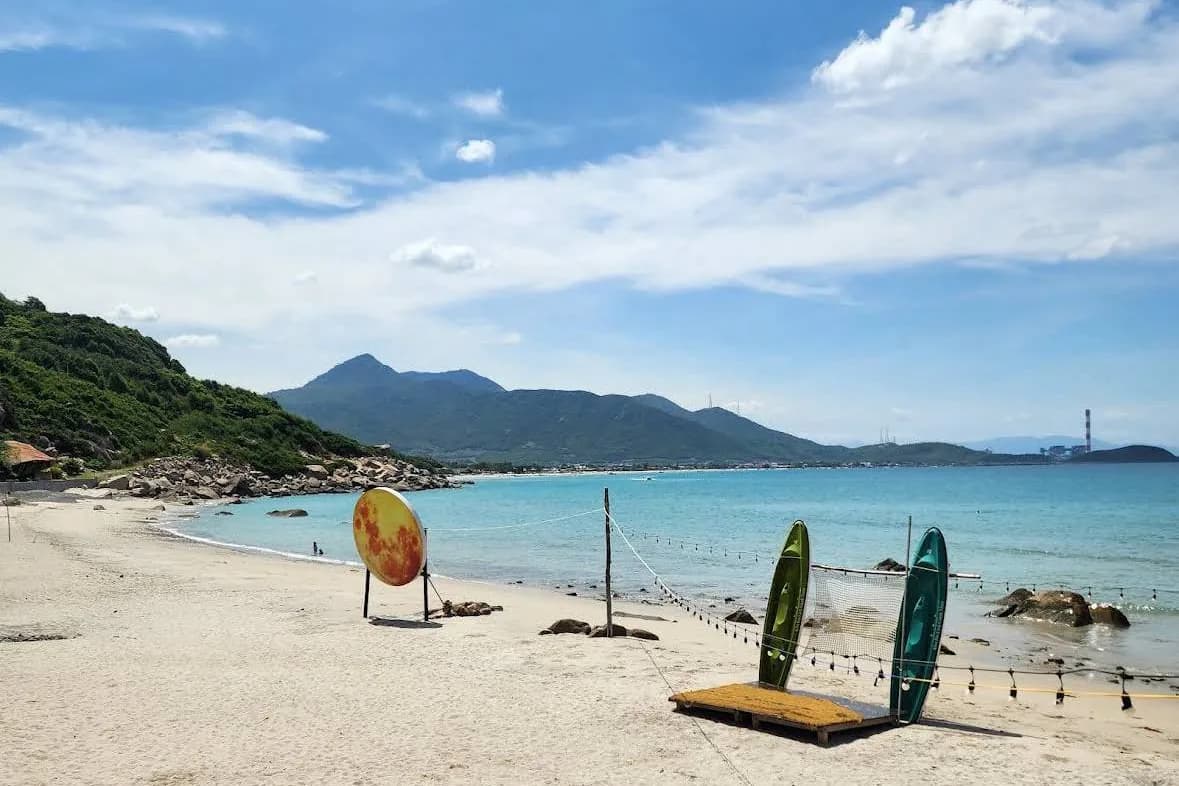
May to August: hot, dry and the warmest water
Summer is still dry season in Nha Trang. Daytime highs sit at 32 to 33 °C, and the record high is 39.5 °C. July is one of the driest months of the year, at a time when Saigon is deep in its rainy season. The sea reaches its warmest in June, at around 29 °C, and stays above 28 °C through August.
The real constraint is the sun. The UV index stays at 11 or higher from February to October, which is in the extreme range. Ride or explore before 10:00 and again after 16:00, keep the early afternoon for shade, lunch or a pool, and carry at least a litre of water per person for a half-day trip. In June the sun sets around 18:10, which leaves time for a late outing to a viewpoint or a quieter beach.

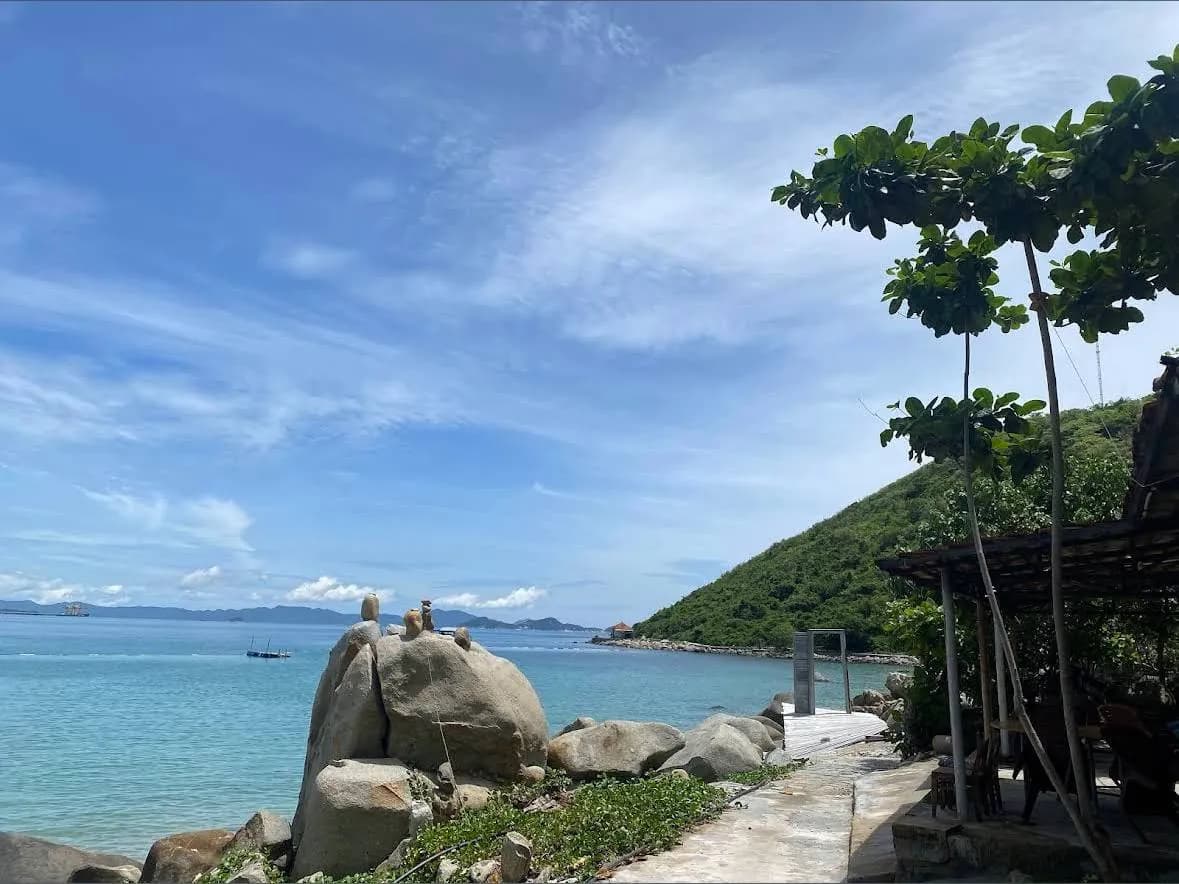
September to December: the rainy season
September is a transition month: about twice as wet as August and about half as wet as October. From October the rainy season sets in properly, with around 18 days of rain in both October and November. November is the wettest month, with under 5 hours of sunshine a day. Dive guides advise against expecting good visibility from October to December, when currents stir up the seabed, and many boat operators cut back trips in November and December because of the monsoon swell.
Typhoons are part of the picture, though not every year. A JICA study puts the average for Vietnam's south central coast at under one severe typhoon a year, with the season here falling in October and November. Typhoon Damrey made landfall in Khanh Hoa province on 4 November 2017 and killed 44 people in the province. In mid-November 2025 several days of heavy rain, with 100 to 200 mm falling in 20 hours in places, flooded low-lying parts of Nha Trang, and on 16 November a landslide on the Khánh Lê pass on highway QL27C to Da Lat hit an intercity coach. The pass was then closed for clearing.
A rainy-season trip can still work. It stays warm, the water is still around 27 to 28 °C in October and November, and there are often clear hours between showers. Keep plans flexible, follow warnings from Vietnam's national weather service at nchmf.gov.vn, and stay off boats and mountain passes when a storm warning is out. December eases off, but daylight is short: sunset is around 17:20 in mid-December.
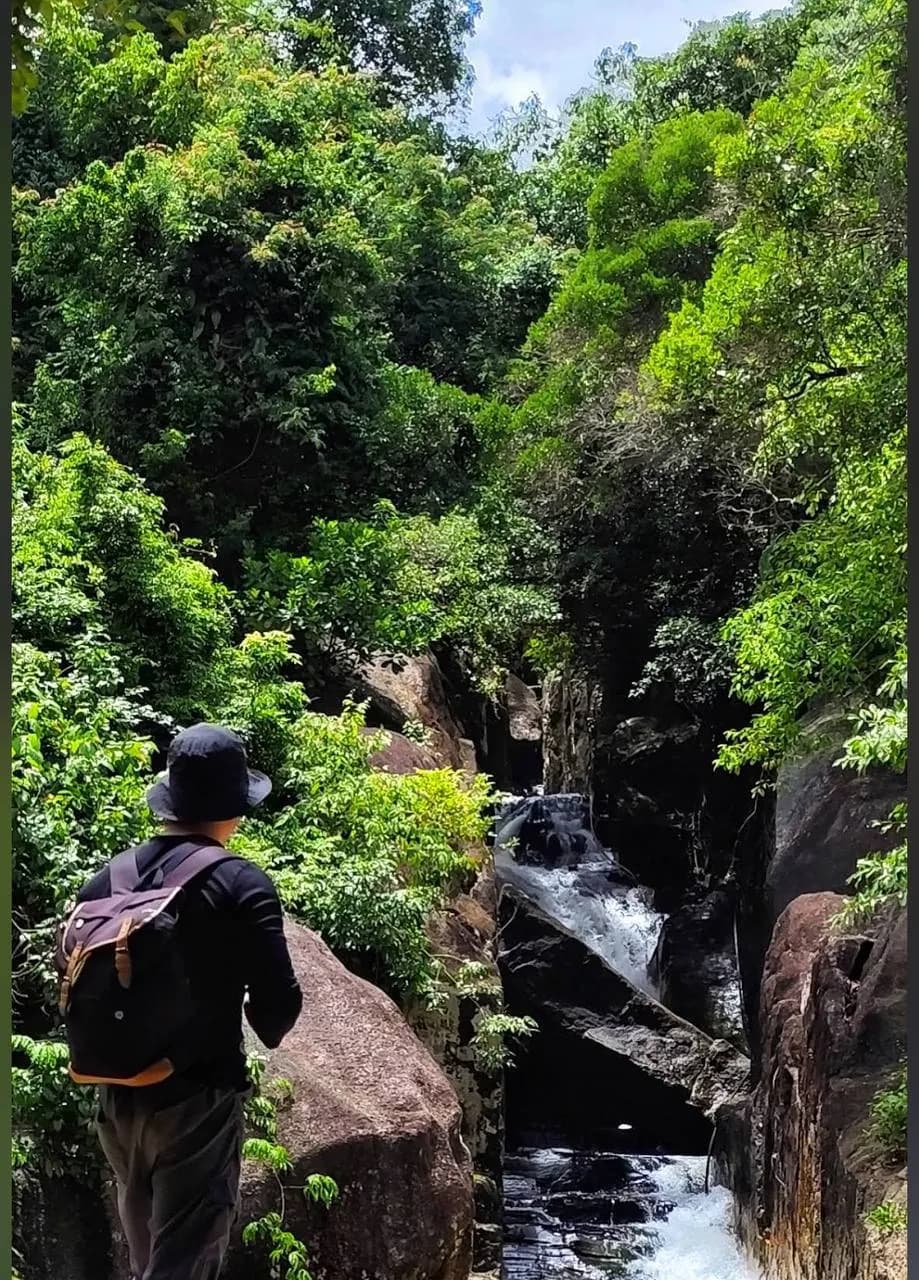
January: dry again while the sea settles
January opens the dry season with about 9 rainy days, but they are light and short compared with November. The sea is at its coolest, around 24.5 to 25 °C, and can stay choppy and murky for the first weeks after the monsoon storms, so the second half of the month is better for swimming. For riding it is a pleasant month: fresh mornings, manageable afternoons and drying country roads.
Planning motorbike rides around the weather
Day length barely changes through the year, from about 11.5 to 13 hours. In January the sun rises around 6:05 and sets around 17:40; in June it rises around 5:20 and sets around 18:10. Darkness falls quickly in the tropics, and unlit country roads are much harder going at night, so aim to be back before sunset.
- In the hot months, leave before 8:00 and start a second outing after 16:00.
- Keep a rain poncho under the seat all year, plus a waterproof bag for your phone and documents in the wet season.
- After rain, brake earlier and avoid hard braking or turning on painted lines and tiles.
- In October and November, keep mountain passes and distant beaches for the morning only.
- Check the forecast the evening before and again in the morning rather than a week ahead.
Anything over 50 cc requires a motorcycle license that is valid in Vietnam. The current rules for foreign riders, including which international permits count, are covered in our guide to the Vietnam driving license for foreigners.
Renting a bike for your dates
UNIQ Moto hands over every scooter and motorbike fully serviced, with two helmets, a full tank, an alarm lock and a short briefing, and delivery to your hotel in Nha Trang is free. Browse the scooters and motorbikes for dry-season rides, or a car if you are travelling as a group in the wetter months. There is no prepayment: a manager confirms availability for your dates, and the deposit is paid at handover in US dollars, euros, crypto or dong.
Keep reading: our shorter guide to Nha Trang weather by month, ideas for things to do in Nha Trang, and the best motorcycle routes near Nha Trang for the dry months. If Da Lat is on your list, read how to get from Nha Trang to Da Lat before you pick a date in the rainy season.
Common questions
What is the best month to visit Nha Trang?
March is hard to beat: around 4 rainy days, more than 8 hours of sunshine a day, highs near 29 °C and usually calm sea. February and April are close behind.
When is the rainy season in Nha Trang?
From September to December, peaking in October and November with around 18 rainy days a month. About three quarters of the annual rainfall falls in these four months.
Is summer a good time to visit Nha Trang?
Yes, if you can handle the heat. June to August is dry and sunny, with the warmest sea of the year at around 28 to 29 °C, but daytime highs reach 32 to 33 °C, so plan outdoor time for the morning and late afternoon.
Does Nha Trang get typhoons?
Occasionally, mostly in October and November. Typhoon Damrey hit Khanh Hoa province on 4 November 2017. When a storm warning is issued, stay off boats and mountain passes until it has passed.
Need help choosing a vehicle or route? Send your dates and plan to the UNIQ manager before you ride.
Ask a managerRent a bike for this trip

Read next
- Nha Trang weather by month: when to go and what to expectA practical month-by-month guide to Nha Trang's dry season, rainy season, sea conditions and motorbike day trips.Read
 Motorcycle rental in Nha Trang: how to choose safelyA practical guide to choosing the right bike, checking deposit rules and avoiding false instant-confirmation promises.Read
 Best motorcycle routes near Nha Trang: 4 rides we do ourselvesFour tested rides out of Nha Trang: the north coast, a mountain canyon, the road south to Cam Ranh and an easy half day near town. Riding time, what is there and which bike fits.Read